THE CHECK BOX MENTALITY
Building safety and accessiblity have been changing incrementally over the last several hundred years. Building codes have been developing for centuries. In the 1660s, massive fires in London forced the British government to enact the "1666 Act for rebuilding the City of London". This act attempted to mitigate risk by enforcing the use of certain building materials which were safer options. Two hundred years later, the cities of Seattle and Chicago saw similar devastation and followed by enacting similar regulations. In the early 20th century, due to the cholera pandemic, building owners were forced to rethink living conditions in their overfilled tenant buildings. The list goes on and on, but one common denominator is that something terrible had to happen before there was any action, not to mention the lengthy time it takes to pass such laws. Regardless, when the time comes to implement such legislation, only the minimum effort can be enforced.
One of the biggest changes in recent history regarding health and safety is The Americans with Disabilities Act, known as ADA, passed in 1990 by then-President George H. W. Bush (amended in 2008).

The book "Health and Well-being for Interior Architecture" highlights four fundamental purposes:
1. to provide a clear and comprehensive national mandate for the elimination of discrimination against individuals with disabilities;
2. to provide clear, strong, consistent, enforceable standards addressing discrimination against individuals with disabilities;
3. to ensure that the Federal Government plays a central role in enforcing standards established on behalf of individuals with disabilities;
4. to invoke the sweep of congressional authority, including the power to enforce the fourteenth amendment and regulate commerce to address the major areas of discrimination faced day-to-day by people with disabilities."
What I find interesting is the use of the word "discrimination." There are many layers to its use; one could argue that it can be challenging to articulate in physical space. I don't see it this way. There are numerous opportunities design professionals have to create a space that does not discriminate but is entirely inclusive.

As I mentioned earlier, we tend to be reactive to problems, meeting the minimum requirements to 'fix' the issue. Meeting the minimum standards equals minimum associated costs. It is very much a "check the box" mentality. We address a problem and move on without considering it from multiple angles. We tend to look at the prominent, accessible building elements as exclusive, only used by those with a disability and yet able-bodied individuals use them just as often. For example, we may use the ramp instead of the adjacent steps or a handrail on an incline. As designers, we should consider all the standard details and incorporate them into the overall design.
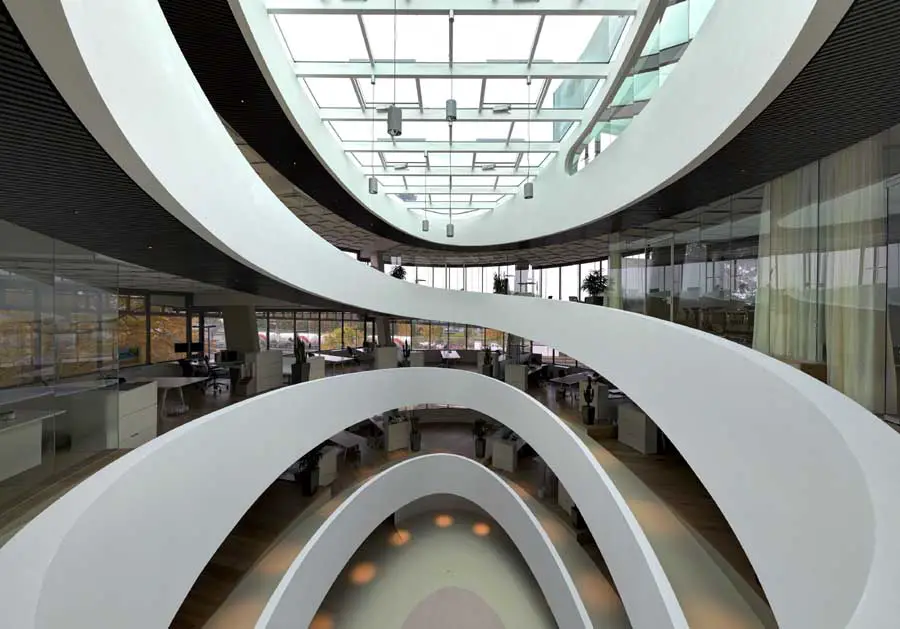

There is no reason why these elements should not be part of the overall design. By doing so, we are creating an inclusive strategy, ensuring the connection in every aspect of the built environment. The smallest details can have the most significant impact.


Comments
Post a Comment